
How combining complex carbohydrates, protein and healthy fats at meals is discussed in nutrition education as one approach some people use when planning everyday eating — individual experiences vary.
Your body draws on glucose from carbohydrates for quick fuel and on fat stores for longer efforts. Protein plays a structural role and contributes to satiety signals. Meals that include all three macronutrients tend to digest more gradually than refined carbohydrate alone — which is why a bowl of cornflakes with milk may feel different from porridge with seeds and yoghurt, even when calories are similar.
Glycaemic index is one lens: lower-GI foods like jumbo oats, sweet potatoes and lentils release glucose more slowly. Pairing them with protein and fat further moderates the curve. This is standard nutrition textbook material, not a prescription. Shift workers, athletes and people with metabolic conditions may need tailored advice from regulated professionals.
Hydration matters too. Mild dehydration can feel like hunger or fatigue. A glass of water with each meal and a refillable bottle on the commute is a low-cost habit many UK office workers overlook.
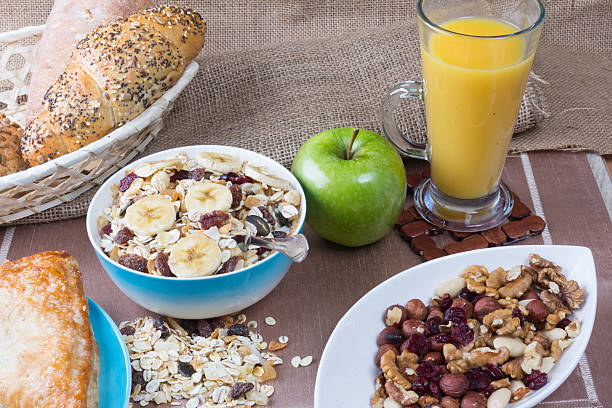
Notice each option includes carbohydrate plus protein or fat. That pairing is the recurring design principle rather than a single magic ingredient.
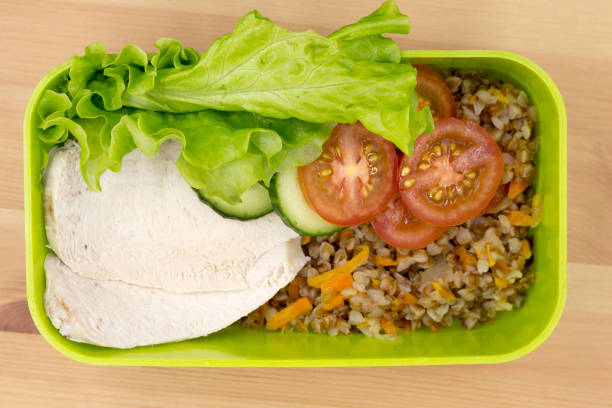
Desk lunches often default to meal deals — sandwich, crisps, fizzy drink. Swapping crisps for an apple and choosing wholegrain bread improves fibre and micronutrient intake without extra cooking time. Batch-cooked grain salads last three days refrigerated: cooled quinoa, roasted vegetables, tinned lentils and a lemon-tahini dressing.
If you eat out near Saltaire or any UK high street, look for jacket potatoes with bean chilli, sushi rolls with salmon, or soup with a wholemeal roll. These combinations appear on many independent café menus and align with the steady-energy principle.
Portion size influences afternoon comfort. A very large pasta portion may leave some people sluggish; adding chicken, tuna or cannellini beans and a side salad balances the plate. Experiment and note your own patterns — self-observation is a legitimate tool.
Eating a substantial dinner very late may affect sleep comfort for some people, though responses vary. Shifting the largest meal toward late afternoon or early evening — with a lighter snack later if needed — is a pattern discussed in sleep hygiene resources alongside dietary diversity advice.
British classics adapt well: shepherd's pie with sweet potato topping, fish pie with extra peas, stir-fried tofu with brown rice. Each keeps protein, starch and vegetables on one plate. Avoid making refined starch the entire meal — add protein and colour.
Fruit juice, squash and premium coffees can add rapid sugar without satiety. Water, herbal tea or milk with meals support hydration without the same glycaemic spike. Alcohol in the evening affects sleep architecture for many adults — a separate but related conversation to meal composition.