
Magnesium, omega-3 fats and B vitamins in familiar British foods — general nutrition education, not personalised advice.
Magnesium is involved in hundreds of biochemical reactions, including those related to normal muscle and nerve function. UK dietary surveys have noted that many adults consume less than the reference nutrient intake — often because refined grains replace whole ones and vegetable portions are low.
Accessible UK sources include pumpkin seeds (a 30 g handful provides a substantial portion of daily needs), spinach and kale, black beans, wholemeal bread, almonds and dark chocolate with high cocoa content. A practical week might include seed-topped porridge twice, a bean chilli once and a side of greens with fish pie.
Public health bodies generally recommend obtaining minerals from food before supplements. High-dose magnesium tablets can interact with certain medicines and cause digestive discomfort. If you consider supplementation, discuss it with a pharmacist or GP.

Mackerel, herring, sardines and trout are widely sold fresh, frozen and tinned in Britain. NHS guidance suggests at least one portion of oily fish per week for most adults, with lower limits during pregnancy. EPA and DHA incorporate into cell membranes throughout the body, including the brain.
Tinned sardines on toast with lemon is a five-minute lunch rich in omega-3 and calcium from edible bones. Smoked mackerel pairs with beetroot salad for a colourful plate.
Flaxseed, chia, walnuts and rapeseed oil provide ALA omega-3. The body converts ALA to EPA and DHA inefficiently, so plant-only diets often emphasise both plant sources and fortified foods. Ground flaxseed stirred into yoghurt or porridge is an easy UK breakfast upgrade.
Algae-based supplements exist for people who avoid fish; quality varies — look for third-party tested products if your dietitian recommends them.
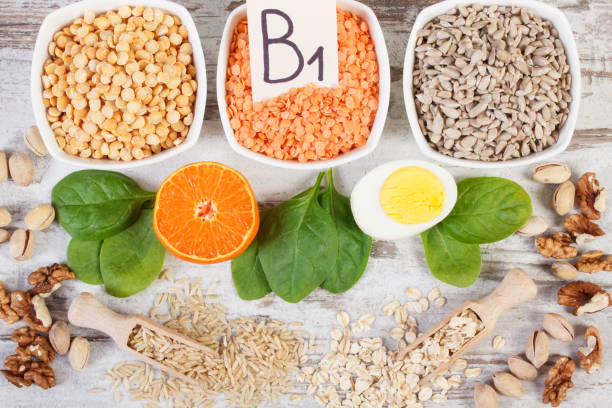
B vitamins — thiamin (B1), riboflavin (B2), niacin (B3), B6, folate (B9) and B12 — participate in energy metabolism and nervous tissue maintenance. They scatter across the food supply, which is why diversity matters.
Whole grains and fortified breakfast cereals supply B1 and folate. Eggs and dairy contribute B2 and B12. Legumes and poultry are strong B6 sources. Nutritional yeast, popular in vegan cooking, is fortified with B12 — check labels because not all brands are.
Ultra-processed diets heavy in white flour and sugar may displace B-vitamin-rich whole foods without overt deficiency symptoms. Rotating in brown rice, lentils and leafy greens is a food-first approach aligned with UK public health messaging.
A sample list mixing nutrients discussed above — adjust for allergies, budget and preferences.
Nutrition is one factor among sleep, movement and social connection. Our articles do not address mental health conditions, replace talking therapies or medication, or provide crisis services. For urgent support, contact Samaritans on 116 123 or NHS 111.
Online session preparing seed granola, bean stew and greens — educational only, with ingredient lists from UK supermarkets.
Tinned and frozen fish ideas for busy households. Includes food safety and sustainability notes from MSC-labelled products.
Label-reading workshop focusing on fortified cereals, eggs and legumes. Held at Holding Space, Saltaire.