
Practical ways to rotate proteins, fibre and fats so vitamins, minerals and amino acids add up across ordinary British meals.
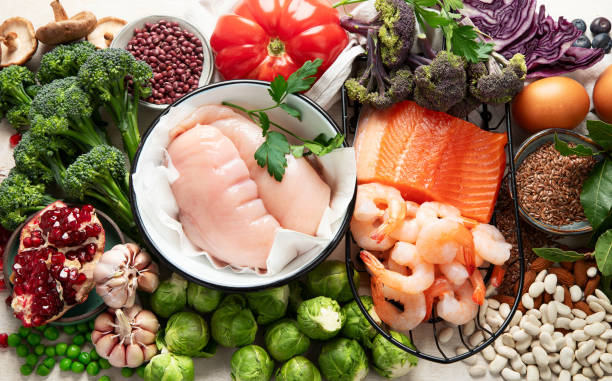
Protein is more than a gram target on a fitness app. Each source brings a different supporting cast of nutrients. Beef mince in a cottage pie supplies heme iron and zinc; tinned chickpeas in a curry add folate and soluble fibre; grilled mackerel contributes vitamin D and long-chain omega-3 fats. Eating chicken every evening is not "wrong," but it narrows the micronutrient window.
A simple rotation many UK households adopt: two meat-based dinners, two fish-based, two legume-based and one egg or dairy-forward meal per week. That pattern appears in Mediterranean-style eating guides adapted for British supermarkets — think lentil Bolognese on Monday, fish pie on Wednesday, roast chicken on Sunday.
Plant proteins combine amino acids across the day. Rice and beans, hummus on wholemeal pitta, or peanut butter on rye bread each pair complementary proteins without needing them in the same bite. The British Nutrition Foundation notes that variety matters more than obsessing over each meal's completeness for most healthy adults.
Found in oats, barley, apples, carrots and pulses. It forms a gel in the gut that slows sugar absorption and feeds beneficial bacteria. A bowl of porridge with grated apple is a classic UK breakfast pairing.
Wholemeal bread, bran flakes, nuts and vegetable skins add bulk and support regular bowel movements. Mixing white and wholemeal pasta in a bake is an easy transition for reluctant household members.
Cooled potatoes in potato salad, green bananas and reheated pasta may act as prebiotics. Leftover roast potatoes repurposed into a lunch salad is a thrifty British habit with a fibre bonus.
Government guidance suggests around 30 g of fibre daily for adults. Most UK intakes fall short. Adding one extra vegetable portion and swapping to whole grains twice a week moves the needle without a full pantry overhaul.
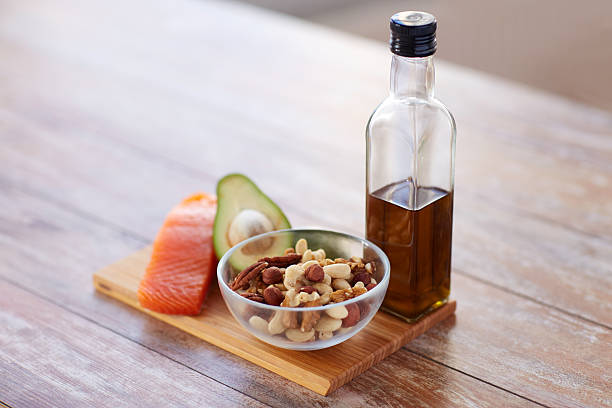
Not all fats behave the same in the body. Monounsaturated fats in olive oil and rapeseed oil are discussed in population nutrition research in relation to cardiovascular health. Walnuts and flaxseed provide ALA omega-3, while salmon and sardines deliver EPA and DHA directly. Butter and coconut oil have roles in cooking flavour but are best used in smaller amounts alongside unsaturated options.
Practical swaps: drizzle rapeseed oil on roasted roots instead of goose fat; add crushed walnuts to morning yoghurt; keep tinned sardines for toast toppings when fresh fish is unavailable. Avocado on rye is popular in cafes from Bristol to Edinburgh — a simple fat-and-fibre combination.
Fat-soluble vitamins A, D, E and K need dietary fat for absorption. A salad of spinach and tomatoes benefits from a dressing; steamed carrots with a knob of butter serve a similar purpose. Balance is the recurring theme — not elimination of any single food group.
A snapshot of what common British staples contribute beyond calories.
| Food | Notable nutrients | Everyday use |
|---|---|---|
| Baked beans | Fibre, folate, iron, plant protein | On toast, in jacket potatoes |
| Cheddar cheese | Calcium, B12, protein | Sandwiches, gratins, omelettes |
| Kale | Vitamin K, vitamin C, calcium | Chips, soups, stir-fries |
| Mackerel | Omega-3, vitamin D, selenium | Grilled fillets, pâté on crackers |
| Porridge oats | Beta-glucan fibre, manganese, B1 | Breakfast, flapjacks, crumbles |
These are illustrative, not exhaustive. Combining items from different rows across the week is how nutrient balance builds naturally.
For most healthy adults, food variety beats spreadsheet tracking. If you follow a restrictive pattern — strict vegan, very low calorie or elimination diet — a dietitian may suggest targeted monitoring.
Heme iron from meat is well absorbed, but lentils, fortified cereals, spinach and dried apricots contribute non-haem iron. Pair plant sources with vitamin C — lemon on lentil soup, for example — to improve uptake.
Include eggs or dairy if acceptable, rotate beans and lentils, use fortified plant milks and consider B12 sources. Our British Plates guide lists vegetarian staples widely available in UK shops.