
Independent, practical education on rotating food groups, balancing nutrients across the week and building plates from familiar British ingredients — free general lifestyle content, not personalised medical or dietetic advice.
About our publisherAntiageherb.ddd is an independent educational publisher in Saltaire, West Yorkshire (ICO registration ZA892417). We share publicly available nutrition and meal-planning information for UK households.
We are not a GP practice, clinic, pharmacy, supplement shop or registered dietetic clinic. We do not sell products, provide one-to-one therapy or promise specific health outcomes. Articles may discuss research findings, but individual results vary.
Eating a wider range of foods is one of the most straightforward ways to cover vitamins, minerals, fibre and amino acids without relying on a single "superfood" or restrictive pattern.
Dietary diversity does not mean exotic imports or complicated recipes. For most households in the United Kingdom it starts with small swaps: lentils alongside mince, rye bread instead of white toast every morning, or tinned mackerel on a jacket potato when salmon feels pricey. Each food group carries a slightly different nutrient fingerprint. Pulses add folate and soluble fibre; oily fish brings long-chain omega-3 fats; whole grains supply B vitamins and slow-release starch.
Public health messaging from the NHS Eatwell Guide already points toward variety across fruit, vegetables, starchy carbohydrates, protein and dairy or alternatives. Our articles unpack what that looks like in real shopping baskets — from market-stall greens in Yorkshire to frozen peas in a midweek stir-fry. We focus on patterns you can sustain, not short-term resets.
Research published in journals such as Nutrients and Public Health Nutrition has linked higher dietary diversity scores with broader micronutrient intake in adult populations. That association is descriptive, not a promise of specific outcomes for any individual. Your needs depend on age, activity, budget and personal preferences. Use our guides as a starting point for conversation with a registered dietitian or GP if you are making significant changes.
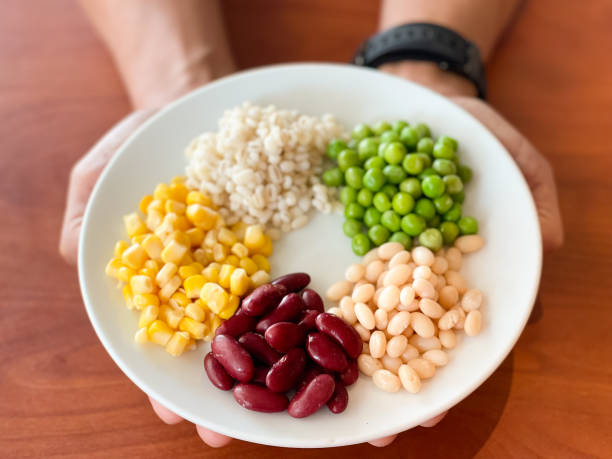
Different products deliver different vitamins, minerals and amino acids. Rotating protein, fibre and healthy fat sources is how many UK households quietly cover their bases without counting every milligram.
Chicken thighs, cannellini beans and Cheddar each provide protein, yet their supporting nutrients differ. Beans add potassium and fermentable fibre; cheese contributes calcium and vitamin B12; poultry supplies niacin and heme iron. Fibre from oats, barley and vegetables feeds gut microbes that, in turn, influence how you absorb certain minerals — a relationship discussed in British Dietetic Association briefing papers.
Healthy fats deserve rotation too. Extra-virgin olive oil, rapeseed oil, walnuts, flaxseed and weekly oily fish spread monounsaturated fats, ALA omega-3 and EPA/DHA across the menu. Keeping a small "fat rotation" list on the fridge — much like a spice rack — nudges variety without extra planning time.
Read the full nutrient guideCombining complex carbohydrates, protein and fats at meals is a practical way many people structure eating for more even energy between breakfast and an early dinner.
Porridge made with jumbo oats plus a spoon of peanut butter and berries gives slow starch, plant protein and polyphenols. If you prefer savoury, scrambled eggs on wholemeal toast with grilled tomatoes adds protein and lycopene. Both patterns pair carbohydrate with protein and fat — a combination discussed in sports nutrition textbooks as supportive of satiety, though everyday experiences vary.
Swapping jam on white toast for nut butter on seeded bread is a small change with a different fibre and fat profile. The goal is not perfection at 7 a.m.; it is avoiding a lone croissant that may leave some people hungry again before mid-morning.
Lunch that combines whole grains, lean protein and vegetables — think quinoa salad with chickpeas, or a wholemeal wrap with chicken and salad — tends to feel more sustaining than a large bowl of refined pasta alone. Adding olive oil or avocado introduces fats that slow gastric emptying modestly.
For desk-based afternoons, a handful of almonds with an apple beats a second sugary coffee for some people, though caffeine tolerance is personal. Track how you feel two hours after meals rather than chasing generic rules.


Foods containing magnesium, omega-3 fats and B vitamins are often discussed in nutrition literature as part of a varied diet. Pumpkin seeds, spinach, salmon, eggs and whole grains appear repeatedly in UK dietary surveys as accessible sources.
Magnesium is involved in hundreds of enzyme reactions, including those related to normal energy metabolism. The UK National Diet and Nutrition Survey has noted that some adults consume less magnesium than recommended — often because refined grains replace whole ones. A daily handful of seeds or a portion of leafy greens is a food-first approach many public health bodies mention before supplements.
Long-chain omega-3 EPA and DHA from mackerel, sardines or trout are structural components of cell membranes. B vitamins — particularly B6, B9 (folate) and B12 — appear in whole grains, legumes and animal foods. This is general nutrition context only; it does not replace professional care for mental health concerns or any diagnosed condition.
Key nutrients guideUsing seasonal and locally available products can make meals feel more natural, affordable and connected to the British growing calendar.
Spring brings forced rhubarb from Yorkshire, wild garlic and early asparagus. Summer offers berries, courgettes and outdoor-reared lamb. Autumn is apple and squash season; winter leans on stored roots, cabbages and hearty stews. Aligning shopping with these rhythms often means better flavour and lower transport miles — though frozen vegetables remain a nutritious, budget-friendly option year-round according to NHS-backed resources.
Farmers' markets in Saltaire, Shipley and across West Yorkshire showcase produce grown within a short drive. Even supermarket "British" labels help you notice what is in peak season. Building two seasonal sides into Sunday meal prep — roasted beetroot in autumn, pea and mint salad in June — gently expands variety without rewriting your entire cookbook.
Cultural authenticity matters too. A proper Sunday roast, Cullen skink, Welsh rarebit or Caribbean-influenced rice and peas each carry distinct nutrient profiles. Honouring the foods you grew up with while adding one new vegetable per fortnight is a realistic diversity strategy for multicultural UK households.

Our content is general lifestyle education for adults in the United Kingdom. Apply it thoughtfully and seek qualified support when circumstances are complex.
If you manage a diagnosed condition, take prescription medication, have a history of disordered eating or plan a major dietary overhaul, arrange a conversation with a GP or registered dietitian first. Our articles do not replace individual assessment.
We do not provide emergency services. For urgent health concerns, call NHS 111 or 999 as appropriate.
General enquiries onlyFree and ticketed educational sessions about meal variety, label reading and seasonal shopping — held online or near Saltaire. These are informational workshops, not clinical consultations.
Learn practical swaps between meat, fish, eggs, pulses and dairy in a typical UK weekly shop. Includes live Q&A and handouts.
Build three lunch templates combining whole grains, protein and healthy fats. Bring your own supermarket loyalty card for a label-reading segment.
Guided market visit in West Yorkshire focusing on what is in season and how to store it. Outdoor event — dress for weather.
Educational talk on magnesium, B vitamins and omega-3 sources available in mainstream UK supermarkets — no product sales.
Antiageherb.ddd is an independent educational publisher based in Saltaire, UK. We are not a healthcare provider. See our About page for full transparency on what we do and do not offer.
Researchers sometimes use "food group counts" rather than a magic number. A practical target for many households is 20–30 distinct plant foods per week plus rotation among protein sources. Start by adding one new vegetable, grain or pulse you do not usually buy.
Frozen fruit and vegetables are typically picked at peak ripeness and snap-frozen. NHS and British Nutrition Foundation materials note they can be as nutritious as fresh — sometimes more so if fresh produce sits in the fridge for days.
Yes, with planning. Lentils, oats, tinned tomatoes, frozen peas, eggs and seasonal specials are inexpensive anchors. Our British Plates guide lists nutrient density per pound spent at major UK supermarkets.
Many UK adults are advised to consider vitamin D in winter and folic acid in early pregnancy. Beyond public health recommendations, individual needs differ. A blood test arranged through your GP clarifies whether supplementation is appropriate.
We publish general lifestyle information. Medical nutrition therapy is personalised, often prescribed for diagnosed conditions, and delivered by regulated healthcare professionals. Our workshops and articles do not replace that service.